



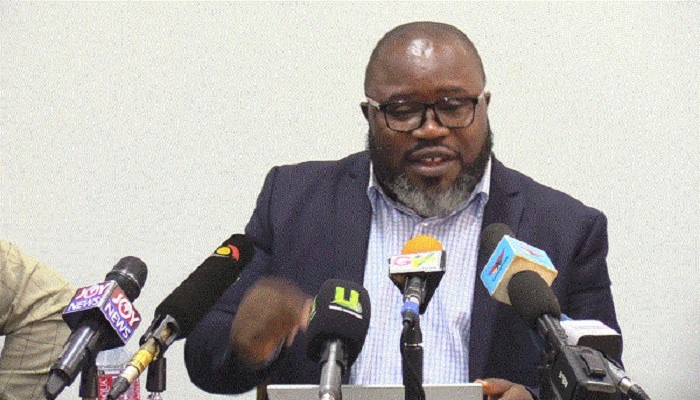
Many teachers in Ghana have been teaching for months, and in some cases up to a year, without receiving their salaries. The reason? The slow and frustrating centralized payroll system used in the education sector.
For years, Africa Education Watch (Eduwatch), led by its Executive Director Kofi Asare, along with former Auditor-General Daniel Domelevo and other civil society voices, have been calling for a change.
They have advocated for a decentralized payroll system, especially for the pre-tertiary education sector, where the Ghana Education Service (GES) employs over 300,000 staff—the largest number in the public sector.
READ ALSO: Update on “No Fees Stress”: Check Here and Take Note of This
In countries where payroll is decentralized, the process begins at the school level. A headteacher confirms that a teacher is at post, the district office processes the salary information, and payment is made—often in just a few days. But in Ghana, everything must go through Accra, causing long delays and unnecessary suffering for teachers.
READ ALSO: Ghana National Fire Service Warns the Public: “We Are Not Recruiting” but….
Decentralization also helps stop payroll fraud. It’s much easier to verify staff in a district, so ghost names—people who receive salaries without working—can be detected and removed quickly. This saves the country millions of cedis.
So, apart from protecting ghost names, what does Ghana stand to lose by fully decentralizing payroll management?
It’s time to fix this. Our teachers deserve better.
Kofi Asare
Executive Director, Africa Education Watch
